Meta & Google Ads built for consistent sales, not constant tweaking
Most D2C brands spend on Meta and Google every day.Very few clearly understand why some days work and others don’t.
When ads are running without a clear system:
- sales feel unpredictable
- ROAS keeps moving up and down
- budgets increase before problems are fixed
- scaling feels risky even when demand exists
At Market Minds, we help D2C brands use Meta and Google Ads in a structured way — so growth feels controlled, not stressful.
We help D2C brands
- generate predictable sales from ads
- improve ROAS without constantly increasing budgets
- lower customer acquisition cost over time
- scale without breaking margins
This is performance marketing focused on revenue and stability, not daily guesswork.
Why Performance Marketing Is Important for D2C Brands
For most D2C brands:
- ads drive discovery
- ads drive first purchases
- ads drive scale
But ads are also the biggest recurring expense.
Without structure:
- small mistakes become expensive
- ad fatigue sets in quickly
- discounting becomes the only way to sell
- profitability drops as spend increases
Performance marketing helps you:
- understand what actually drives sales
- spend with confidence
- scale only what works
- protect margins while growing
Ads should feel like a growth lever, not a daily worry.
How Performance Marketing Works for D2C Brands
People don’t buy just because they see an ad.
They buy when:
- the message makes sense to them
- the product feels worth the price
- the brand feels familiar
- the buying process feels easy
Effective performance marketing connects:
Ad → Message → Page → Sale
If any part is weak, money leaks.
Our job is to fix the system, not just optimise ads.
Understanding Your Business & Numbers First
Before running ads, we understand:
- what you sell
- your pricing and margins
- break-even ROAS
- repeat purchase potential
- what “profitable” actually means for you
This avoids spending money blindly and sets realistic expectations from day one.
Meta Ads (Facebook & Instagram)
Meta Ads work best when they build familiarity before pushing sales.
We use Meta Ads to:
- attract the right audience
- educate buyers about your product
- build trust through content and UGC
- retarget people who show intent
Execution includes:
- clear campaign structure
- testing different messages, not random creatives
- UGC and product-focused ads
- retargeting that closes sales
Meta is treated as a sales engine, not just a traffic source.
Google Ads (Search, Shopping & Performance Max)
Google Ads capture people who are already looking to buy.
We use Google Ads to:
- show up for high-intent searches
- capture ready-to-purchase customers
- support Meta Ads at the bottom of the funnel
Execution includes:
- search ads for buyer keywords
- shopping ads for product visibility
- performance-max where suitable
- strict control on wasted spend
Google Ads are used to convert demand, not experiment endlessly.
Ad Creatives That Actually Sell
Creatives are not just about looking good.
We focus on:
- explaining why the product is worth buying
- answering common doubts
- showing how the product is used
- highlighting real benefits
This includes:
- UGC-style videos
- product demos
- problem-solution ads
- comparison and proof-based content
Good creatives reduce hesitation and improve ROAS naturally.
Landing Page & Website Alignment
Ads don’t convert on their own.
We align ads with:
- clear product messaging
- fast loading pages
- trust elements like reviews and FAQs
- simple calls-to-action
Even small changes on the page can significantly improve performance without increasing spend.
Retargeting & Follow-Up Systems
Most people don’t buy on the first visit.
We build retargeting systems that:
- remind users about the product
- handle objections
- reinforce trust and recall
- encourage completion of purchase
This helps you get more sales from the same traffic.
Budget Control & Scaling
We don’t scale just because sales look good for a few days.
Scaling is done when:
- performance is stable
- creatives are working consistently
- margins allow growth
- fulfilment can keep up
This keeps growth sustainable and stress-free.
Tracking, Reporting & Clarity
You always know:
- how much you spent
- what revenue came from ads
- which products perform best
- where money is being wasted
Reports focus on:
- ROAS
- CPA
- CPC
- CAC
- sales contribution
- trends over time
No confusing dashboards — only useful insights.
Communication & Ongoing Alignment
- Clear updates
- Simple explanations
- Honest feedback
- Alignment with business priorities
We choose platforms based on
how your audience actually behaves.
















Buying Intent Mapping (Not Audience Guessing)
Creative Fatigue & Message Rotation System
Offer & Pricing Psychology Alignment
Most performance ads fail because brands target people, not purchase intent.
Selecting interests, lookalikes, or broad audiences only answers one question:
“Who might see the ad?”
It does not answer the more important question:
“Why would someone buy right now?”
We start by understanding:
- what problem the customer is trying to solve
- what pushed them to start searching or scrolling
- what stage of decision they are in
- what hesitation is stopping them from buying
Then we map intent across stages:
- awareness: learning that a solution exists
- consideration: comparing options and brands
- purchase: ready to buy but needs reassurance
We also identify:
- product-specific buying triggers
- urgency vs research-driven behaviour
- objections that delay conversion
This allows ads to:
- match the customer’s mindset
- speak to the right concern at the right time
- avoid wasting spend on people who are not ready
The result is fewer random clicks and more meaningful buying traffic.
Most ad accounts don’t stop working suddenly.
They slowly weaken — until performance drops overnight.
This usually happens because:
- the same message is repeated too long
- the audience has already seen the idea multiple times
- creative fatigue isn’t noticed early
- brands keep changing designs instead of fixing the message
We don’t treat creatives as isolated assets.
We treat them as messages that need controlled rotation.
Our system focuses on:
- testing different angles, not just visuals
- separating message testing from design changes
- tracking which ideas lose impact and why
- knowing when a message is exhausted — before ROAS drops
Instead of reacting after performance falls, we:
- rotate messages proactively
- refresh angles without resetting learning
- keep performance stable as budgets increase
This is what prevents sudden drops and keeps Meta and Google Ads reliable at scale.
Ads rarely fail because of targeting or platforms.
They fail because the offer doesn’t make sense to the buyer.
Even strong ads won’t convert if:
- pricing feels unclear
- value is not obvious
- urgency feels forced
- discounts train customers to wait
We actively align ads with:
- how the price is perceived
- what value needs to be explained before showing price
- when urgency helps and when it hurts the brand
- how to reduce discount dependency over time
Often, performance improves when:
- the offer is simplified
- the value is explained earlier
- pricing objections are handled inside the ad
- urgency feels natural, not desperate
In many cases, ROAS improves without changing targeting at all — just by fixing how the offer is presented.
Clear offers convert better than clever ads.
PlatformsWe Work With
Meta Ads (Facebook & Instagram)Google Search Ads Google Shopping Ads Performance Max (where applicable) Conversion tracking & analytics tools
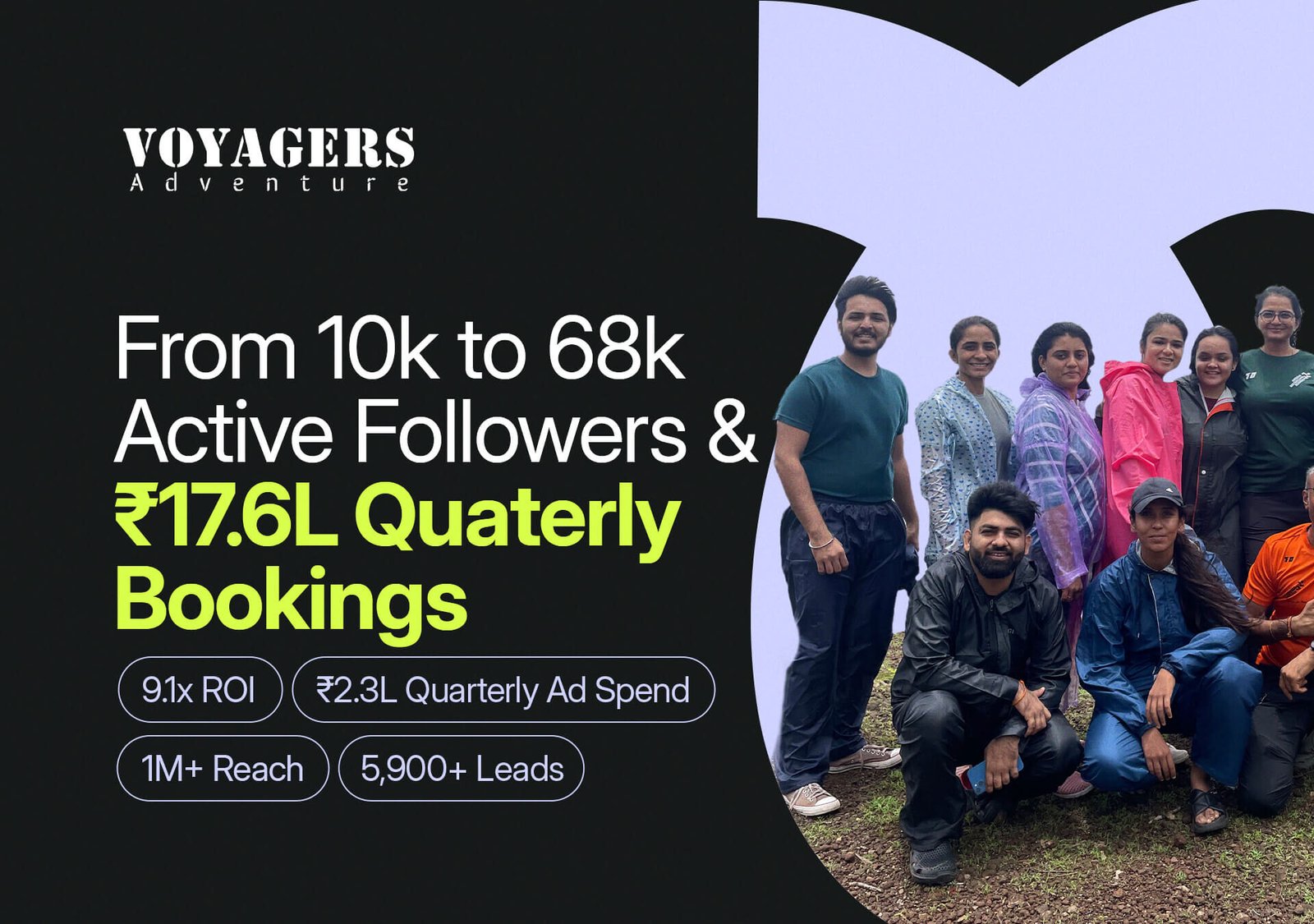
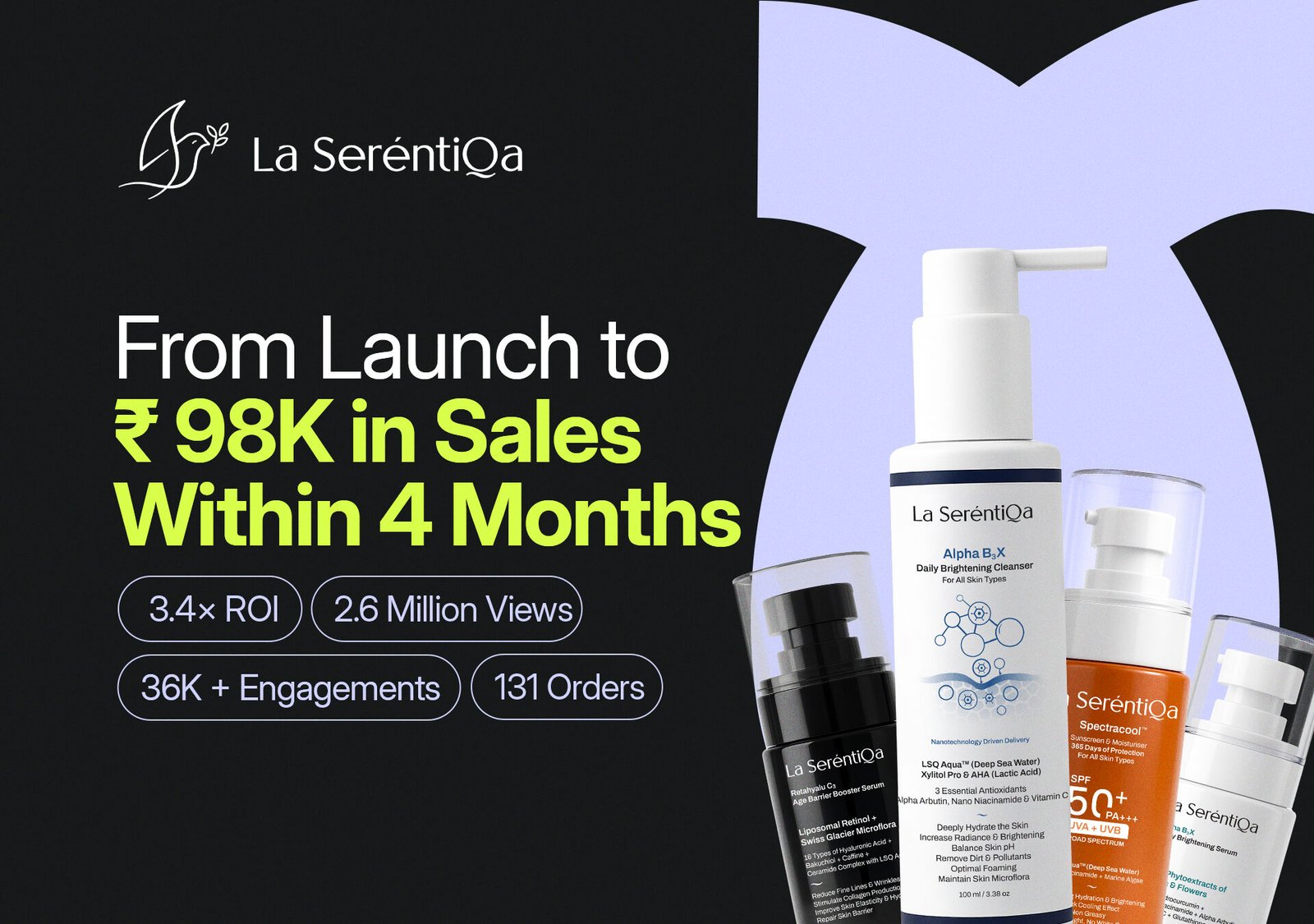
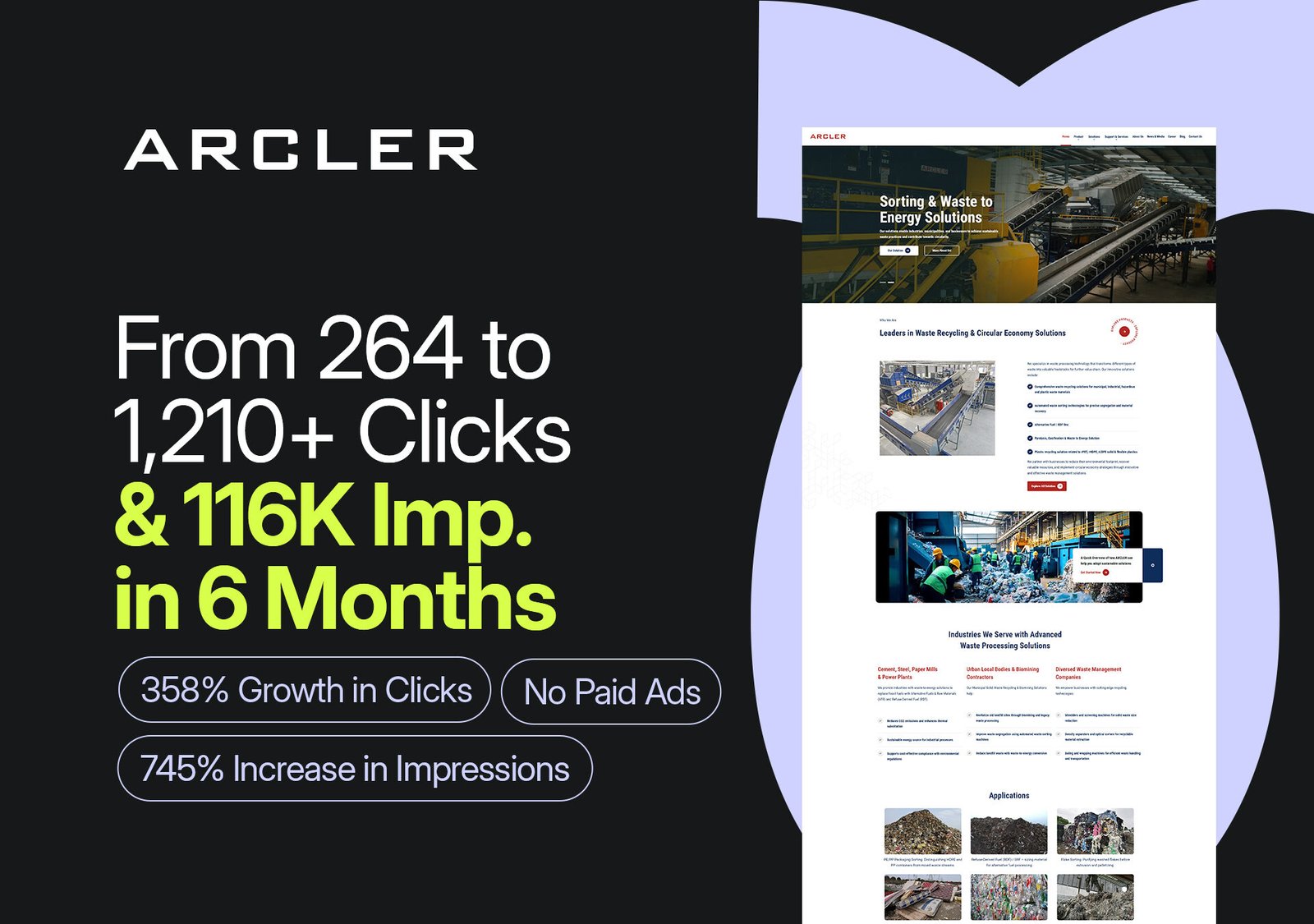
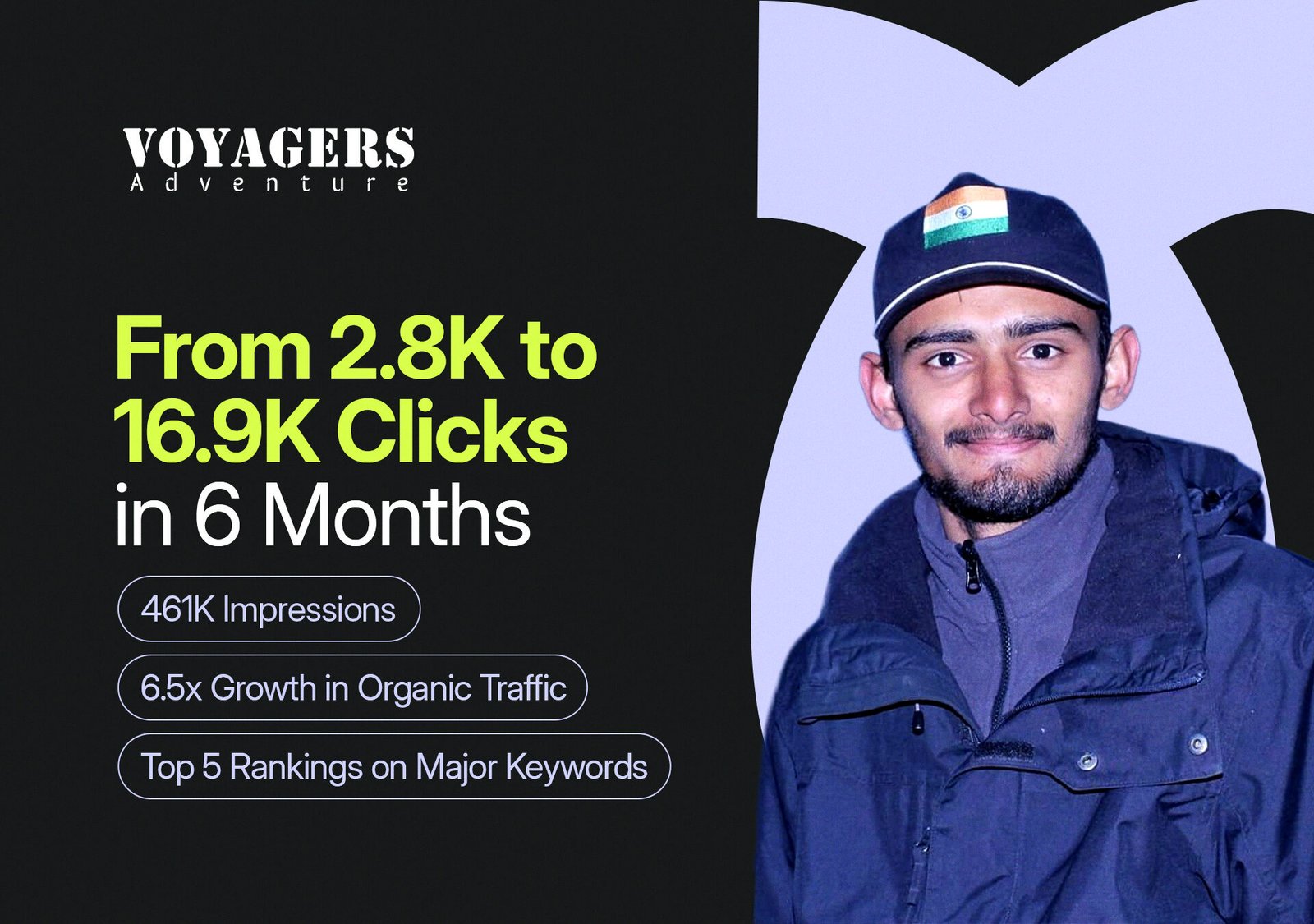
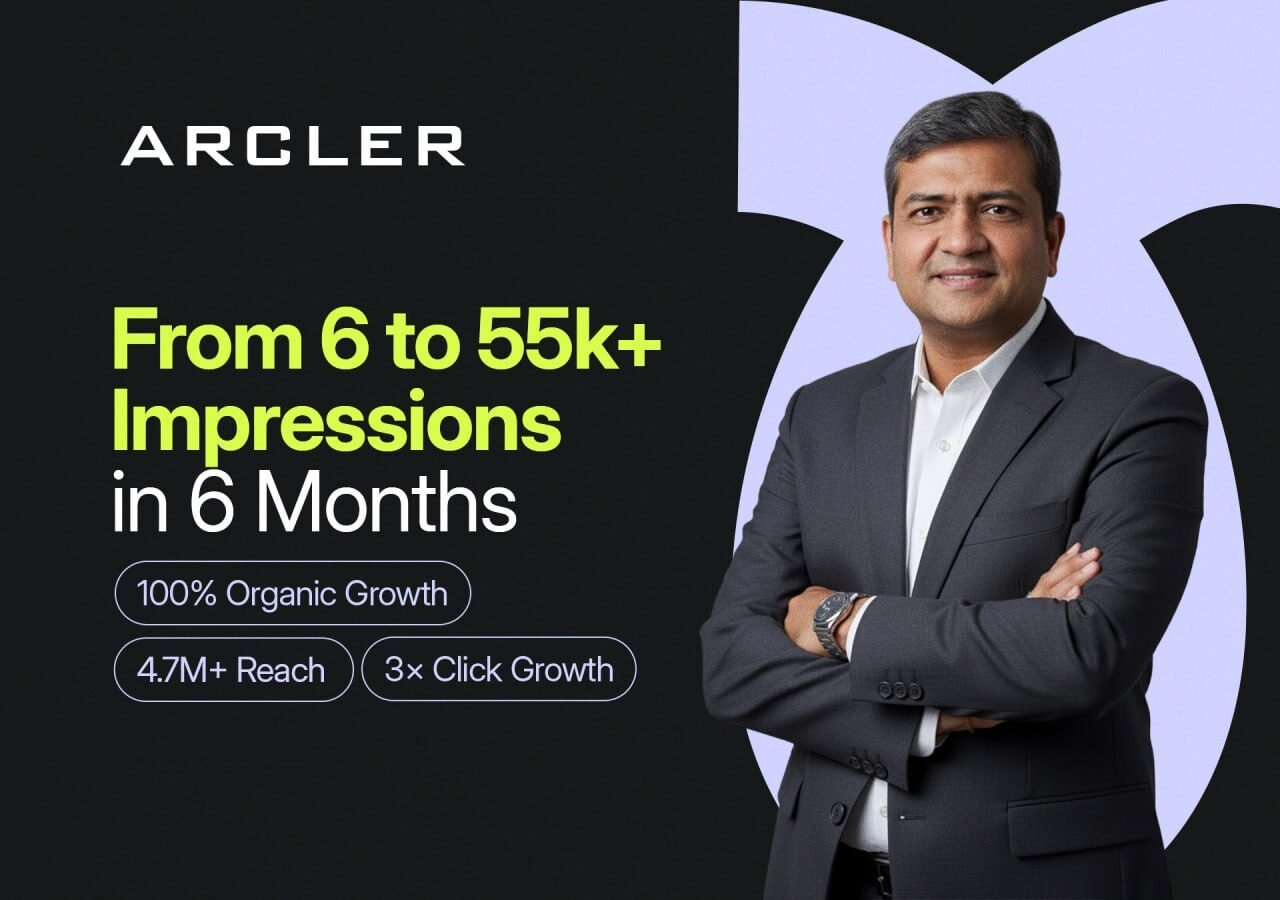
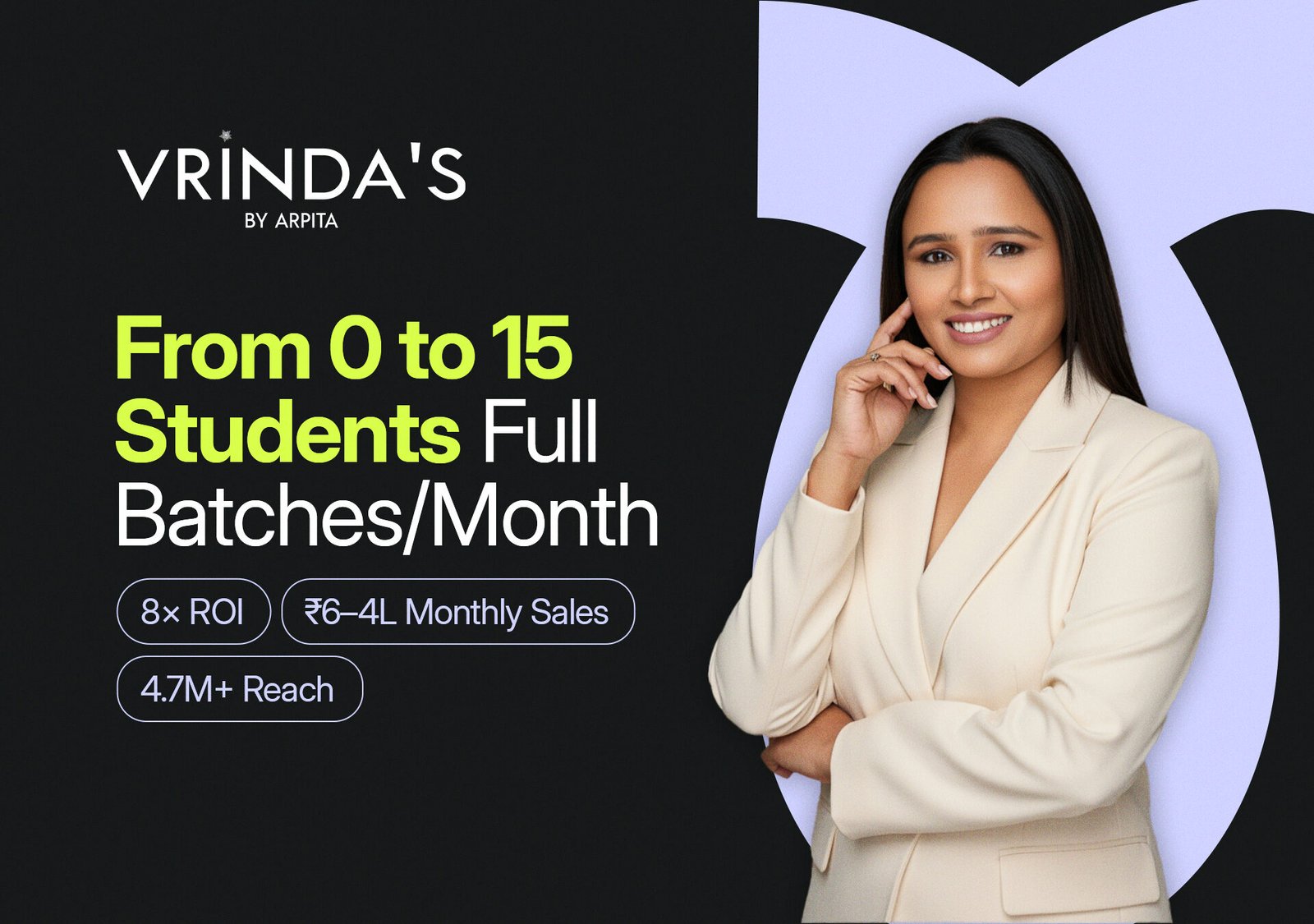
A look at how we’ve helped brands grow by fixing what actually matters.

Ready to Bring Structure to Your Ad Spend?
Let’s start with a performance clarity session.
We’ll walk through:
- how your Meta and Google Ads are actually performing
- where inconsistency is coming from
- what needs to change before scaling further
No generic reports.
Just a clear conversation around spend, sales, and next steps.
Are you facing strategic and creative challenges?
Let's talk about it in more detail. Request a free initial consultation now.
FAQs
Do you work with businesses from all industries?
Yes, we cater to businesses across multiple sectors, including IT, healthcare, manufacturing, finance, education, retail, real estate, automobile, energy, consulting, and hospitality. Our team customizes strategies based on industry-specific goals to ensure maximum impact, measurable results, and long-term success for every client we serve.
Why do you charge a setup fee?
The setup fee covers the initial time and effort required to properly set up your account for success. This includes understanding your business, setting up and optimizing profiles, configuring tools and platforms, building workflows, creating automations, and aligning approval and reporting systems. This foundation work is done once, takes significant effort, and ensures smooth execution, better performance, and fewer issues in the long run.
How do you handle client data and privacy?
We ensure guaranteed confidentiality and data security for all client information. Our processes comply with industry standards and NDAs, maintaining privacy at every step. From campaign data to analytics reports, your sensitive information is protected, allowing you to trust us as a secure, reliable digital marketing partner.
What is your approach to social media marketing?
Our approach combines creative content, audience targeting, and performance tracking across platforms. We focus on engagement, brand awareness, and lead generation. By analyzing trends, monitoring metrics, and optimizing campaigns regularly, we ensure your brand connects effectively with the audience and achieves meaningful results.
How long will it take to see positive results for social media marketing?
With social media constantly evolving, results depend on many factors such as the time and effort you put into social media marketing management, your budget &target audience, and the strategy you choose to implement.
But results with inevitably show, but you should remember that marketing on social media is like a marathon, not a sprint. You want to create a better brand presence for your business and see more conversions, which naturally takes time.
Is social media advertising better for B2B or B2C?
Social media is a great tool for connecting with your audience. That’s why it is vital for both. Although the marketing strategies can vary, it is an effective medium to get the desired results for B2B and B2C.